Buying a condo in South of Fifth from abroad can feel complex. You may be weighing cash versus a U.S. mortgage, sorting documents in two countries, and watching a fast-moving market. You want clarity, control, and a clean closing. In this guide, you’ll learn the main financing paths for international buyers, what down payment to expect, the documents lenders and condo associations will ask for, and how to plan your timeline in SoFi. Let’s dive in.
Why SoFi draws global buyers
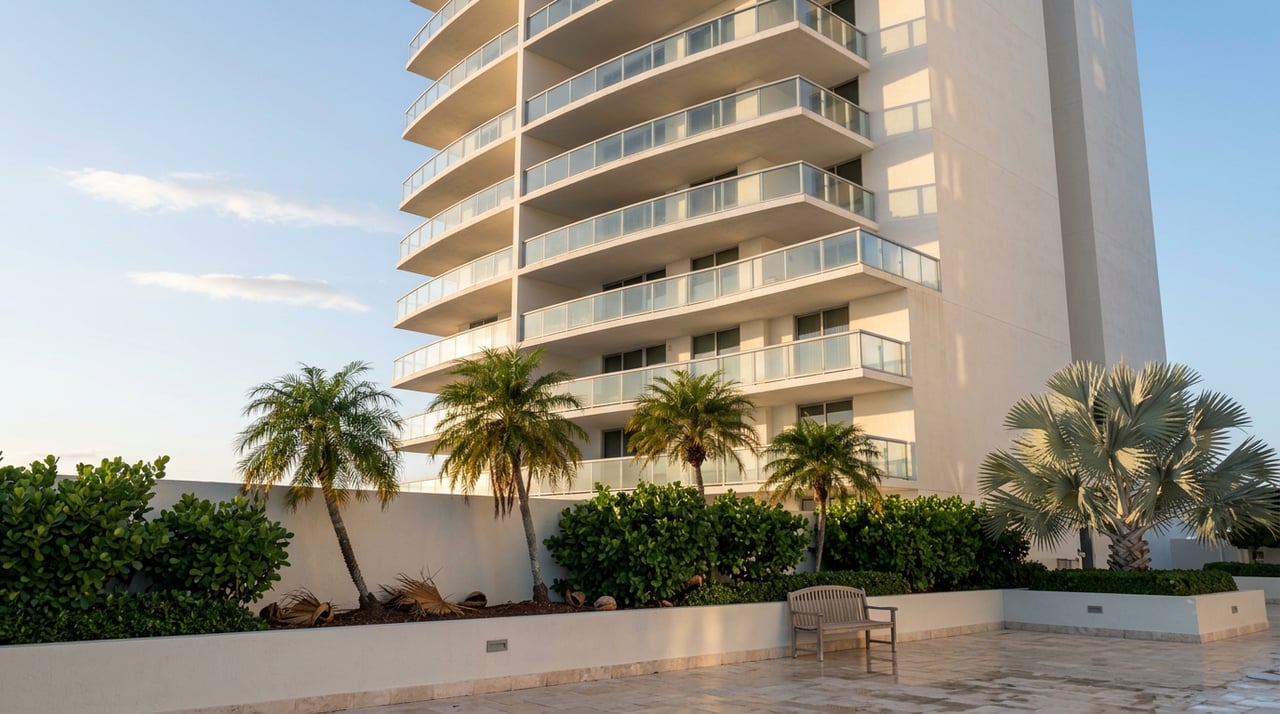
South of Fifth sits at the southern tip of Miami Beach. It is a luxury submarket known for high-rise condos like Continuum, Icon, and Portofino. Many buyers are international, second-home owners, or investors. That buyer mix creates a few realities for financing.
- Many deals are jumbo. Loan amounts often exceed conforming limits, so you will look at jumbo or portfolio loans if you do not pay cash.
- Lenders review condo projects closely. Association reserves, litigation, insurance, and owner-occupancy ratios can affect loan approval.
- Closing teams are used to cross-border needs. Title and escrow firms commonly handle international wires, apostilles, and translations, which can speed things up if you prepare early.
Your financing options in SoFi
Cash purchases
Cash is the cleanest path for international buyers in SoFi. It removes the mortgage contingency and project-level lender approval from the equation, which often shortens timelines and strengthens your offer. If you plan to finance later, you can still explore post-closing refinancing based on lender availability and building eligibility.
Foreign-national mortgage programs
Many U.S. banks offer foreign-national mortgage programs for non-U.S. residents. These loans usually require larger down payments than standard U.S.-resident loans. Expect additional documentation and asset verification from overseas accounts. Rates often carry a premium compared to conforming products for U.S. residents. Availability and terms vary by institution and by your profile.
Portfolio lenders and private banks
Portfolio lenders keep loans on their balance sheets and can be more flexible on condo project approval, rental rules, or special ownership structures. Private-bank relationships can also open options for higher loan amounts or custom terms. In exchange, banks often ask for stronger banking relationships and larger assets on deposit.
Home-country or cross-border financing
Some international buyers use a bank in their home country to fund a U.S. purchase or to provide a collateralized bridge. This can feel familiar and sometimes competitive on pricing. The tradeoff is added coordination on exchange rates, international transfer timing, and closing logistics with U.S. title.
Non-QM, asset-based, or DSCR loans
If your income or credit does not fit standard programs, lenders may offer non-QM or asset-based loans that underwrite your assets rather than income. For investors, DSCR loans qualify based on projected rental income. These options typically require larger down payments and may come with higher rates.
Bridge and construction loans
If you need short-term flexibility, a bridge loan can help you close while you sell other assets or wait for funds. If you plan a significant remodel, construction or renovation financing can be structured for that scope.
Down payment and pricing expectations
In SoFi, most financed purchases are jumbo. For foreign-national loans, lenders commonly ask for 30 to 50 percent down on larger balances. For primary or second homes with smaller loans, 20 to 30 percent may be possible, but expect stricter terms as loan sizes rise. Investment loans also often fall in the 30 to 50 percent range. Foreign-national products tend to price at a premium compared to standard conforming loans for U.S. residents. Private-bank clients with meaningful assets on deposit may see more competitive pricing.
Condo association and project approval
In Miami Beach, condo-level underwriting can be the gatekeeper to your loan. Lenders look at the building’s financials, reserves, insurance coverage, owner-occupancy mix, delinquency rates, commercial unit exposure, and any active or pending litigation. That review can determine whether a specific loan type is possible.
- Agency loans may be limited. Some SoFi buildings do not meet Fannie or Freddie criteria, especially if there is high investor concentration or litigation. That can steer you toward portfolio or private-bank financing.
- Expect questionnaires and documents. Lenders usually need the association to complete project questionnaires and provide governing documents, minutes, and financial statements. Turnaround can range from about one to three weeks, sometimes longer.
- Rental rules matter. Minimum lease terms and owner-occupancy requirements can affect investor loans and DSCR underwriting. If you plan to rent, verify the building’s policies early.
Documentation and lender requirements
Lenders are careful with foreign-national loans. Having documents ready speeds everything up.
Identity and tax identifiers
- Valid passport and any U.S. visa details if applicable.
- Social Security Number if you have one. If not, some lenders or title companies may ask for an ITIN for tax reporting. Build in time if you need to apply.
Proof of funds and source of down payment
- Recent international bank statements and bank reference letters on official letterhead.
- Clear paper trails showing the source of funds and transfer path for AML and OFAC checks.
- Gift funds may be allowed with a gift letter and evidence of source.
Income, assets, and credit
- Employment letters, pay stubs, and tax returns where available. Foreign tax returns may be acceptable.
- Asset statements for cash, brokerage, and other holdings if using asset-based underwriting.
- If you lack U.S. credit history, lenders may accept international credit reports or alternative references.
Translations and notarization
Foreign documents may require certified English translations or apostilles. If you need to sign overseas, plan for embassy or consular notary appointments.
Reserves and ratios
Lenders often require reserves equal to several months of payments. For foreign-national and jumbo profiles, six to twelve months of PITI is common, and more may be requested for more complex files. If income is not verified, asset-to-loan strength becomes key.
Timeline and common delays
A realistic financed timeline in SoFi is often four to ten weeks from contract to closing. Cash deals can close faster if funds are ready.
- Pre-qualification: 1 to 7 business days once your documents are organized.
- Full underwriting: 2 to 6 weeks, depending on asset review, translations, and project approval.
- Association documents: 2 to 4 weeks is typical for questionnaires and financials, sometimes longer with board or management backlogs.
- Closing preparation: 7 to 14 days for title, escrow, compliance checks, and document signing.
Common delays include incomplete or untranslated documents, slow association responses, international wire timing and AML reviews, and the need to obtain or verify an ITIN. The best way to avoid delays is to front-load your document packet and start the association review early.
How to improve approval odds in SoFi
- Match the building to the loan. If you want an agency-style loan, target buildings that meet strict project criteria. If the building has litigation or high investor concentration, a portfolio lender may be a better fit.
- Start lender introductions early. Share a clean document package that covers identity, funds, income or assets, and translations.
- Order association documents upfront. Work with your agent to request the condo questionnaire, financials, insurance, and minutes at the offer or inspection stage.
- Plan your funds flow. Pre-clear wire paths and currency conversions. Keep a documented trail from the originating account to closing.
- Build in reserves. Strong liquid assets reduce friction for foreign-national underwriting.
Who does what on your team
- Buyer’s agent. Your agent should coordinate lender introductions, identify buildings with clean association profiles, and set expectations on down payment and timelines.
- Mortgage broker or private bank. A lender experienced with foreign nationals can compare portfolio, private-bank, and foreign-national programs and prepare a clear checklist.
- Real estate attorney and title/escrow. They handle U.S. closing documents, notarization or apostilles, FATCA and AML checks, and overall closing logistics.
- HOA contacts and condo attorneys. These stakeholders help gather association documents and address project-level questions that affect loan eligibility.
Relationships matter. Teams that work cross-border every day can shorten timelines and reduce surprises.
A practical buyer checklist
Use this quick list to prepare before you write offers in South of Fifth.
- Choose your path: cash, foreign-national mortgage, portfolio or private bank, or home-country financing.
- Gather identity docs: passport, any U.S. visa details.
- Assemble funds proof: recent statements, bank letters, and source-of-funds documentation.
- Add income or asset proof: tax returns, employment letters, brokerage statements, or business documents.
- Prepare translations and apostilles for non-English documents.
- Confirm whether you need an ITIN and start early if required.
- Get a pre-qualification from an experienced foreign-national lender.
- Request association documents early, especially the condo questionnaire and financials.
- Plan for a 6 to 10 week window for financed deals. Cash closings can be faster if funds are ready.
Next steps in South of Fifth
If you are targeting SoFi, align your financing plan with the building type you want. Confirm your down payment and reserves, pre-qualify with a lender that understands foreign-national files, and get a head start on association documents. Clear preparation helps you negotiate with confidence and close on time in a competitive luxury market.
Ready to build a plan tailored to your profile and the building you love in South of Fifth? Connect with the Coltrane Miami Group to review lender options, request a custom document checklist, and coordinate association approvals. Request a Confidential Consultation.
FAQs
What are typical down payments for international condo buyers in South of Fifth?
- Foreign-national loans often require 30 to 50 percent down for jumbo balances, with 20 to 30 percent possible on smaller loans depending on the lender and your profile.
How long does a financed international condo purchase take in SoFi?
- Plan for about 4 to 10 weeks from contract to closing, which includes lender underwriting, condo association review, and closing preparation.
Will my condo building’s association affect my mortgage approval?
- Yes. Lenders review reserves, litigation, insurance, occupancy mix, and delinquencies. Some SoFi buildings fit portfolio lending better than agency options.
Can I get a mortgage in the U.S. without U.S. credit history?
- Many foreign-national programs allow limited or no U.S. credit history and use international reports or alternative references, often with larger down payments and reserves.
Do I need an ITIN to buy a condo in Miami Beach as a foreign national?
- Some lenders or title companies may require an ITIN for tax reporting. Start early if you need to apply so it does not delay closing.
What documents should I prepare before making an offer in SoFi?
- Passport and any visa details, bank statements and letters, source-of-funds proof, tax returns or asset statements, translations or apostilles, and a lender pre-qualification.