If you want a Miami neighborhood where boating and daily errands can feel part of the same routine, Coconut Grove stands out quickly. You are not just looking at a place with water views or a few good coffee spots. You are looking at a neighborhood where marinas, sailboats, cafés, parks, and walkable village streets all shape how the day feels. That mix is exactly what gives Coconut Grove its lasting appeal. Let’s take a closer look.
Why Coconut Grove Feels Different
Coconut Grove is widely recognized as Miami’s oldest neighborhood, with local history tracing the community back to 1873. That long history still shows up in the way the neighborhood feels today, from leafy streets to bayfront parks and a shoreline lined with sailboats.
The setting is a big part of the draw. Coconut Grove is consistently described as leafy, bayside, and laid-back, with a tropical character that feels more relaxed than many other parts of Miami. Quiet residential streets, mature landscaping, and access to Biscayne Bay all work together to create a lifestyle that feels both active and grounded.
Waterfront Living Is Part of Daily Life
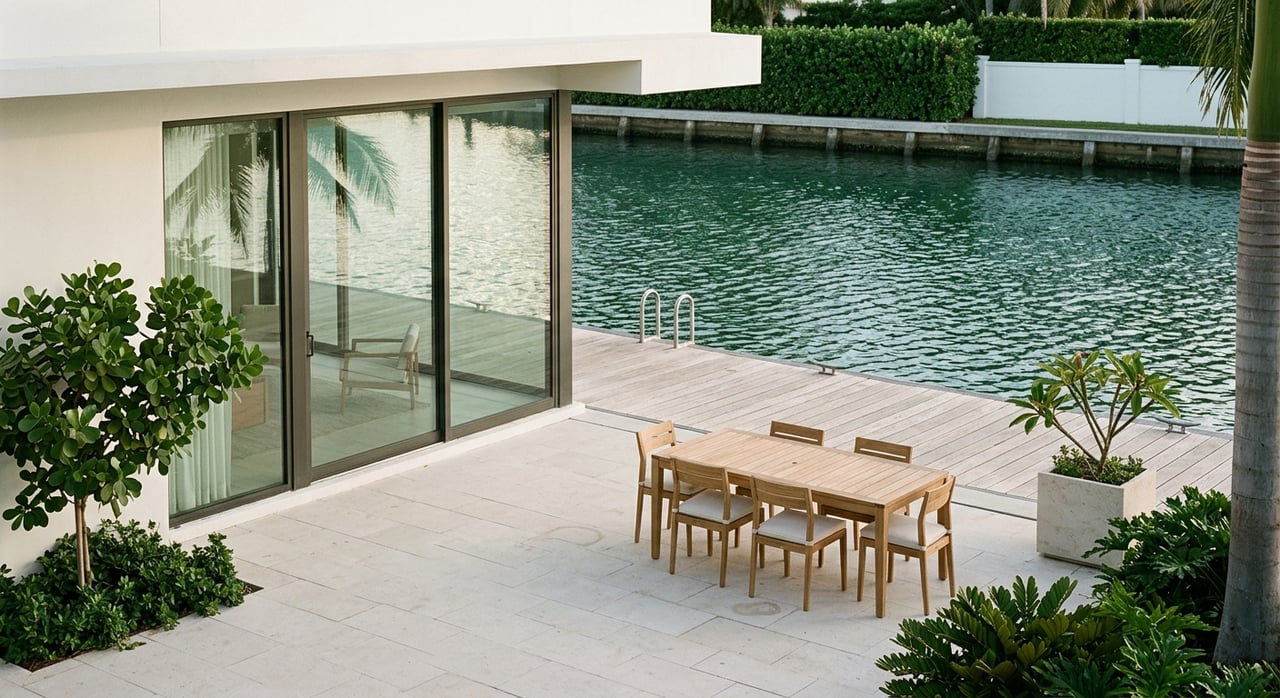
In some neighborhoods, the water is mainly a backdrop. In Coconut Grove, it is part of how people move, gather, and spend their free time. You see that most clearly around the shoreline, where sailboats, marinas, and parks are woven into everyday life.
The Barnacle Historic State Park helps tell that story in a very visible way. Set on Biscayne Bay, it preserves one of Coconut Grove’s earliest bayfront homes and gives you a direct connection to the neighborhood’s early settlement and sailing roots. For buyers who value places with a real sense of history, that detail matters.
Boating in Coconut Grove
For boaters, Dinner Key Marina and Mooring Facility is the neighborhood’s defining asset. According to the City of Miami, it offers 587 wet slips and 250 moorings, along with fresh water, pump-out service, a dinghy dock, and a complementary shuttle boat for mooring customers.
Just as important, the marina is within walking distance of groceries, dining, and shopping. That convenience helps explain why Coconut Grove appeals to people who want boating to fit naturally into their routine rather than feel like a separate weekend activity.
Beyond the marina itself, the neighborhood has a broader sailing culture. Coconut Grove is often described as Miami’s center of sailing, with sailboats moored offshore, local sailing activity, and regattas that can be viewed from parks like Peacock Park and David T. Kennedy Park.
Adaptive sailing also adds to the neighborhood’s identity through Shake-A-Leg Miami. Taken together, these elements show that boating here is not a niche hobby. It is a visible and functional part of the community.
The Café Scene Has a Village Feel
Coconut Grove’s café culture is one of its biggest lifestyle strengths, but the appeal goes beyond having plenty of places to eat or grab coffee. What makes the experience stand out is the pedestrian-oriented village core, where dining, browsing, and everyday errands happen in a compact and walkable setting.
Official neighborhood and tourism sources describe chef-driven restaurants, sidewalk cafés, boutiques, and open-air shopping and dining at CocoWalk. The result is a commercial core that invites you to linger rather than rush through.
That matters if you are trying to picture your day-to-day life. In Coconut Grove, it is easy to imagine a morning coffee, a short stroll through the village, lunch nearby, and time by the bay, all without needing to structure the day around long drives.
Walkability Adds to the Lifestyle
One of the most practical advantages of Coconut Grove is that its village core is designed to be walkable. Local community materials describe it as a commercial walking village, with open-air retail and nearby parks that support an easy, on-foot experience.
For many buyers, that walkability changes how a neighborhood feels. Instead of a car-dependent pattern where each stop requires a separate trip, Coconut Grove offers a more connected rhythm. Coffee, casual dining, shopping, and waterfront views all sit within a compact setting.
That does not mean every block functions the same way. The village core is where the most pedestrian activity is concentrated, while quieter residential streets offer a more tucked-away atmosphere. That contrast is part of the neighborhood’s appeal.
What Homebuyers Can Expect
Coconut Grove’s housing mix reflects its planning and zoning framework. Miami 21’s NCD-3 rules are designed to preserve the neighborhood’s heavily landscaped, low-density residential character while also protecting tree canopy, green space, bay views, and architectural variety in single-family areas.
At the same time, the framework recognizes different district types, including single-family, two-family, multifamily medium-density, commercial districts, and a Village Center sub-district. In practical terms, that means your housing options can vary meaningfully depending on where in Coconut Grove you focus your search.
Near the Bay and Residential Streets
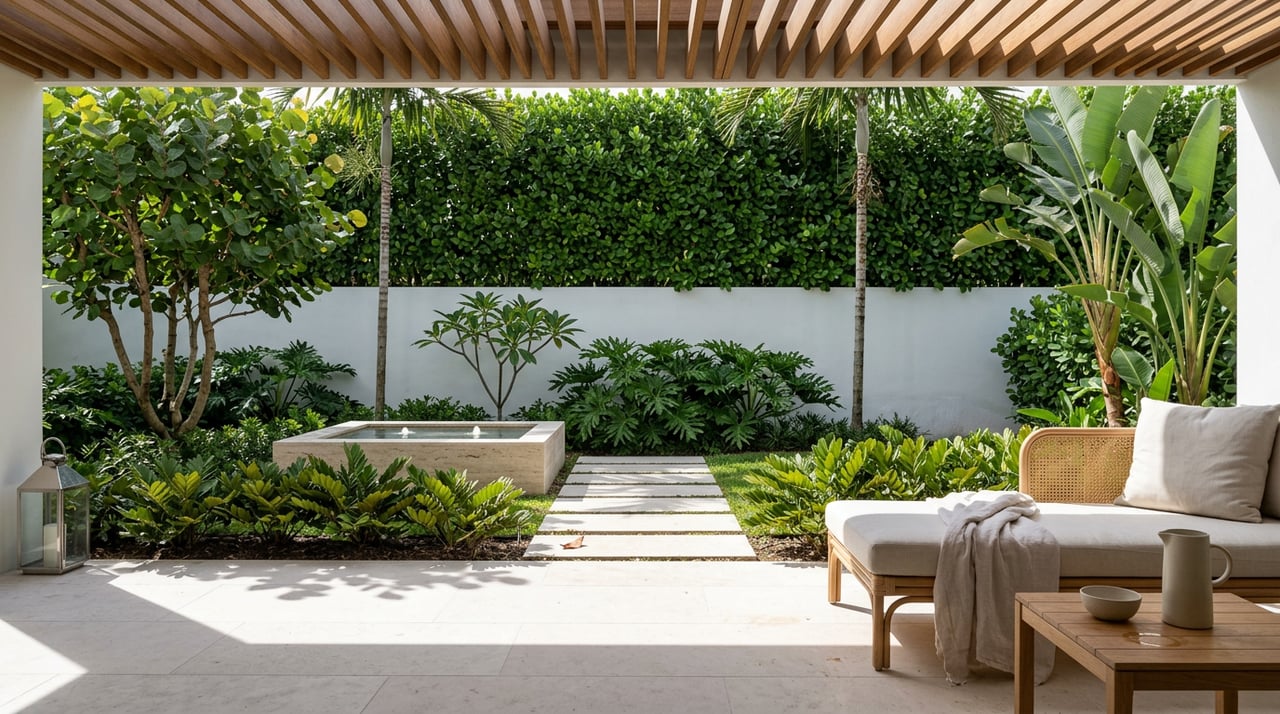
Closer to the bay and historic residential areas, Coconut Grove often feels like a garden district. The emphasis here is on mature landscaping, quieter streets, and private-home living.
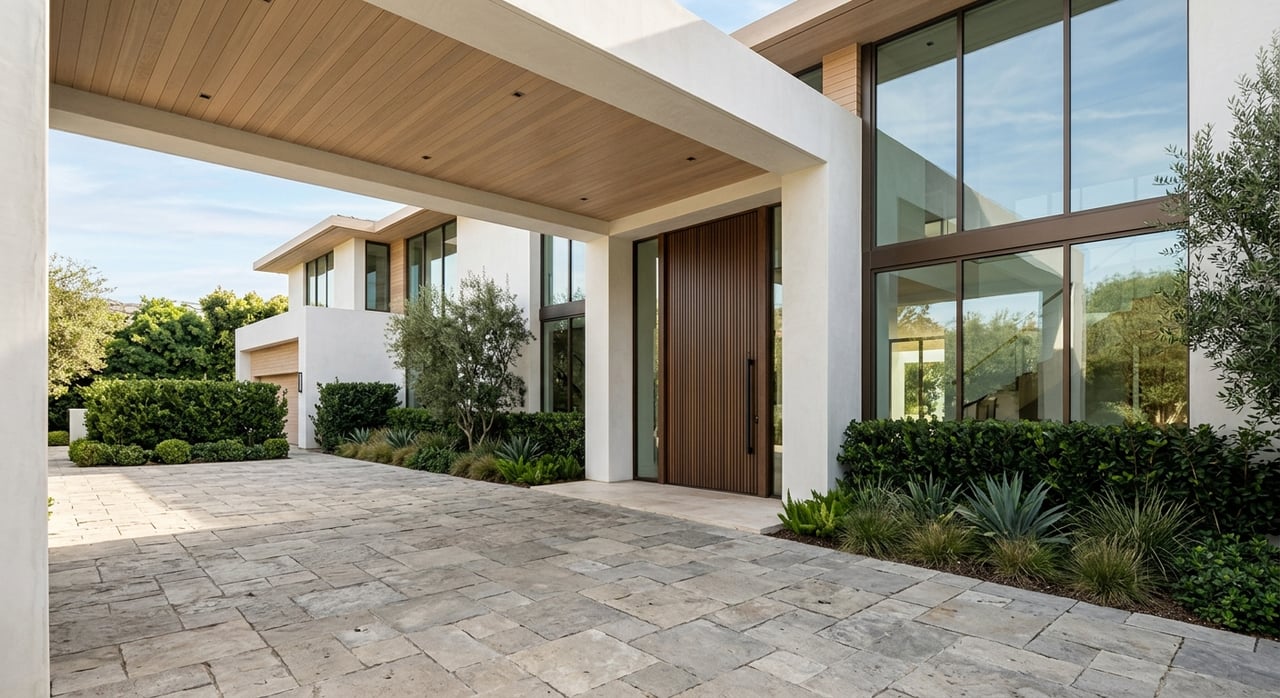
For buyers drawn to estate-style homes or a more secluded residential setting, these parts of the Grove may align more closely with what you want. The preserved character of these areas is an important reason they continue to attract long-term interest.
Near the Village Center
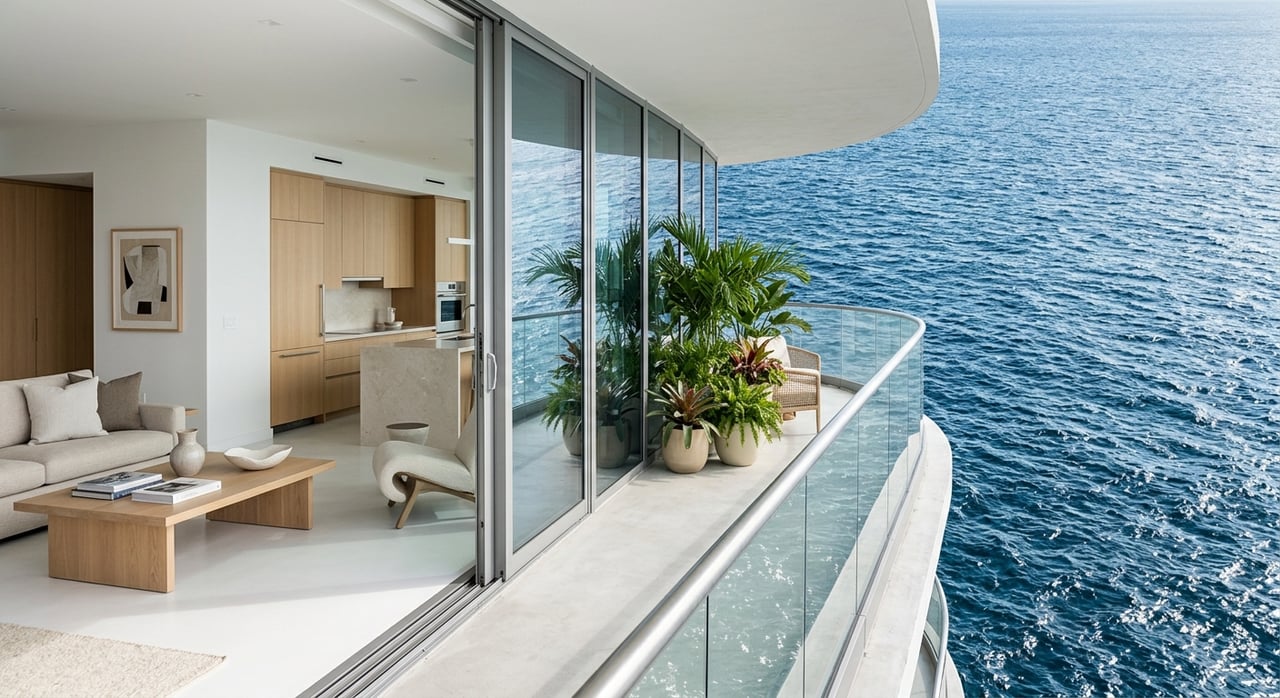
Closer to the Village Center and commercial corridors, the lifestyle shifts. This part of Coconut Grove tends to function more like a walkable condo-and-café neighborhood, with denser residential patterns supported by nearby shops and restaurants.
If your priority is being able to step out for coffee, dining, or a stroll through the neighborhood core, this setting may offer a strong fit. It can be especially appealing if you want low-maintenance living paired with easy access to the Grove’s social and commercial energy.
Who Coconut Grove Appeals To
Coconut Grove can appeal to several types of buyers because it offers more than one version of waterfront living. If you are a boater, the marina, moorings, and sailing culture may be the primary draw.
If you are more focused on lifestyle than boating itself, the combination of bayfront parks, sidewalk cafés, boutiques, and walkable streets can still make the neighborhood very compelling. And if you are looking for a home that balances privacy with access to activity, the difference between the residential enclaves and the village core gives you room to choose the right fit.
What Makes the Lifestyle So Lasting
Trends come and go, but Coconut Grove’s appeal is rooted in features that are hard to replicate. Its history, bayside setting, boating infrastructure, walkable village core, and protected residential character all support a lifestyle that feels established rather than manufactured.
That is often what buyers respond to most. You are not buying into a concept alone. You are stepping into a neighborhood where the waterfront identity, café culture, and residential setting have all developed over time and still shape daily life in a very real way.
If you are exploring Coconut Grove and want clear, high-level guidance on how different parts of the neighborhood align with your lifestyle and property goals, Coltrane Miami Group offers discreet, concierge-level support grounded in deep local market knowledge.
FAQs
Is Coconut Grove in Miami a good neighborhood for boaters?
- Yes. Coconut Grove is strongly connected to boating through Dinner Key Marina and Mooring Facility, offshore moorings, sailing activity, and regatta viewing from local parks.
Is Coconut Grove walkable for daily dining and shopping?
- Yes. The village core is promoted as a pedestrian-oriented commercial walking village with open-air retail, cafés, dining, and nearby parks.
What kinds of homes are found in Coconut Grove?
- Coconut Grove includes a mix of protected single-family areas, estate-style homes, and multifamily or more dense residential options closer to the Village Center and commercial corridors.
Does Coconut Grove have a strong café culture?
- Yes. The neighborhood’s café and dining scene is part of its village-style layout, where sidewalk cafés, restaurants, boutiques, and open-air spaces are part of everyday movement.
What makes Coconut Grove’s waterfront lifestyle unique?
- Its appeal comes from the combination of Biscayne Bay access, active boating infrastructure, sailboat-lined views, historic bayfront character, walkable commercial areas, and quieter landscaped residential streets.